

The Ride Home: Why Transportation Is One of the Biggest Barriers After Release
News and Resources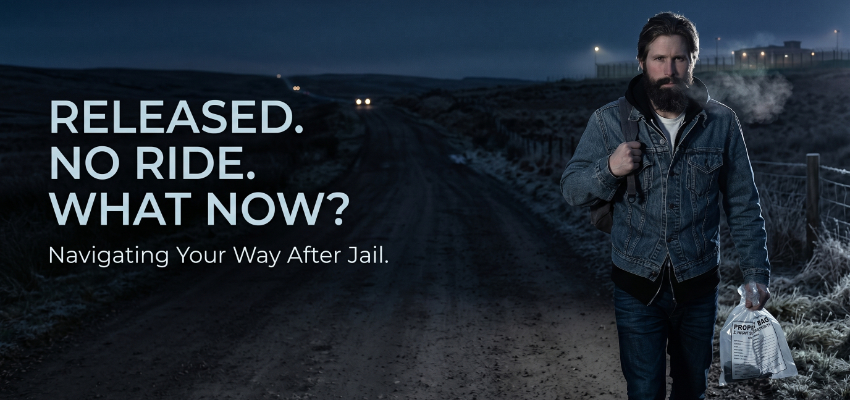
Getting someone out of jail is often treated like the finish line, and in our reality as bondsmen it's our ultimate goal. After a bond is posted though the person still has to be processed out, collect property, read release paperwork, and get somewhere safe. That last step is one of the most overlooked parts of the process.
In Colorado, arrests rarely happen at a convenient hour or close to home. Someone who lives in Lakewood may technically have been arrested in Araphaoe County instead of Jefferson. The legal release may be approved, but the practical release is not complete until the person has a real way to leave.
Release Timing Does Not Always Match Real Life
Colorado law gives some structure to bond release. Unless extraordinary circumstances exist, a jail must generally release a defendant granted a personal recognizance bond (as one example) as soon as practicable and no later than six hours after the person is physically present in jail. For cash bonds, the six-hour timeline generally starts after bond is set, the person is physically present, and the defendant or surety is ready to post. Colorado Revised Statutes § 16-4-102.
This does not guarantee a convenient pickup. If bond is set in the evening, if paperwork takes time, or if the bond is posted late, release can happen at any time of the day or night. A Harvard Kennedy School review of jail policies in large U.S. cities found that late-night release is very common, with 131 of 141 jails in the review releasing people during late-night hours.

Many People Walk Out Without the Basics
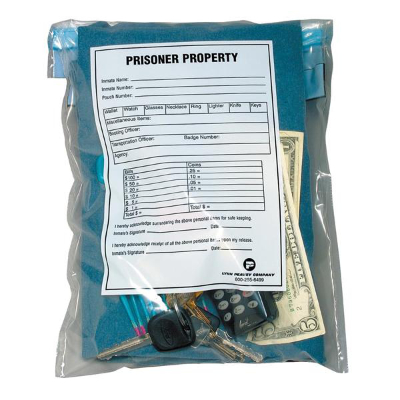
Their phone may be in property, dead, password-locked, or left behind at the time of arrest. They may not know anyone’s number by memory. Their wallet may be unavailable. Cash may be limited. A ride-share account may require two-factor authentication on a phone they cannot access.
Even when personal property is returned, the person may step outside without a charger, warm clothing, a working debit card, or a clear understanding of where they are in relation to home. One study found that more than one-third of people released from incarceration reported difficulty obtaining a car for work or emergencies, and nearly a quarter reported trouble accessing public transportation.
The first few hours after release can shape everything that follows. If the person misses a ride, cannot reach family, or starts walking in bad weather, release can become another emergency.
What Families Should Plan Before Release
The best transportation plan is specific, not hopeful. Decide who is driving, where they will wait, how long they can stay, and what backup option exists if release takes longer than expected. Write down the jail address, the person’s full legal name, date of birth, and booking number if available. Keep a charger, water, weather-appropriate clothing, and a backup payment method in the car.
| Planning Step | Details to Cover Before Release |
|---|---|
| Designate a driver | Confirm who is going, what vehicle they are using, and how long they can wait at the facility. |
| Confirm the facility | Note the jail name, street address, and any specific release or property pickup entrance. |
| Gather key information | Write the person’s full legal name, date of birth, booking number, and case number (if known). |
| Prepare essentials in the car | Phone charger, water, snack, coat or blanket, and a backup payment method (cash or card). |
| Back-up contact method | Give important phone numbers on paper in case the person cannot use their own phone. |
Think Past the Jail Door
Paperwork, property, and transportation all need to come together to make release truly safe and workable for the person getting out.Rural Jail Pickups Require Extra Planning
Outside the Denver metro area, a jail may be far from ride-share coverage, public transit, hotels, or 24-hour businesses. County procedures also vary, including release doors, parking areas, property pickup, and phone access. Before bond is posted, confirm the facility, ask where releases usually happen, and make sure the driver can wait without losing contact.
Weather Can Change the Pickup Plan

In Colorado, snow, ice, wind, and road closures can make a late-night jail pickup harder or unsafe. CDOT advises drivers to check current road and weather conditions through COtrip or 511 before traveling. The released person may also be waiting outside without a coat, good shoes, or a working phone, so the plan should account for both the driver’s route and the person’s immediate safety.
Write important phone numbers on paper and give them to the person posting bond. If the released person does not have a working phone, they still need a way to contact the ride, the bail bond agent, the court, or a family member.
Once the person is picked up, the next priority is paperwork. Confirm the next court date, any no-contact order, travel restriction, check-in requirement, or other bond condition. The ride home should be calm, direct, and focused on getting the person somewhere safe enough to understand what happens next.
The Ride Home Is Part of the Release Plan
Tayler Made Bail Bonds can help your solve the "bond problem": getting a person out of custody while the case moves forward. Transportation solves the next one: making sure release does not leave them stranded, exposed, or unable to comply with what the court has ordered.
Make sure you plan for that ride home so it can become what it should be: the first step back on the right track.
Contact Info
Tayler Made Bail Bonding is available 24 hours a day and 7 days a week.
(303) 623-0399email@taylermadebailbonding.com
7220 W Jefferson Ave
Suite 200
Lakewood, CO 80235
@TaylerMadeBail