

Boulder County Bail Bonding: What to Know in Boulder and the Surrounding Areas
News and Resources
When someone is arrested in Boulder County, the first priority is figuring out where the person is actually being held, what type of bond has been set, and who is in a position to move the release forward immediately. That sounds simple, but in practice Boulder County cases often move through more than one agency. A person may first have contact with the Boulder Police Department, be cited or booked on a city matter, and then either be released, held for further processing, or transferred into county custody at the Boulder County Jail. For families, that distinction matters because the release process changes depending on where the defendant is and what court or bond authority is controlling the case.
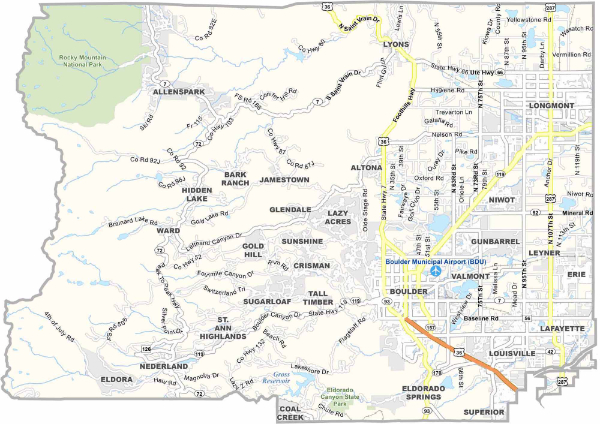
This is especially important in a county like Boulder, where arrests may involve not only the City of Boulder but also surrounding communities and unincorporated areas within county limits. Boulder County includes municipalities such as Boulder, Longmont, Lafayette, Louisville, Erie, Lyons, Nederland, Jamestown, and Superior, as well as unincorporated communities and mountain areas. A bond agent who regularly works Boulder County understands that local geography, local agencies, and local jail procedures all affect how quickly someone can be released.
Need to speak with a local Boulder County bondsman?
Talk directly with a Boulder-area agent who handles Boulder County cases in real time.Call Now: (303) 623-0399
Boulder Police may be the first stop, but the county jail is usually the key
In many arrests that begin inside the City of Boulder, the person first has contact with Boulder Police. Depending on the charge, the person may be cited and released, booked and later released, or taken into continued custody. Boulder’s own municipal court materials explain that the Boulder Municipal Court handles city ordinance violations, while county court and district court handle Colorado state cases moving through the 20th Judicial District. That distinction matters because not every arrest in Boulder follows the same release path.
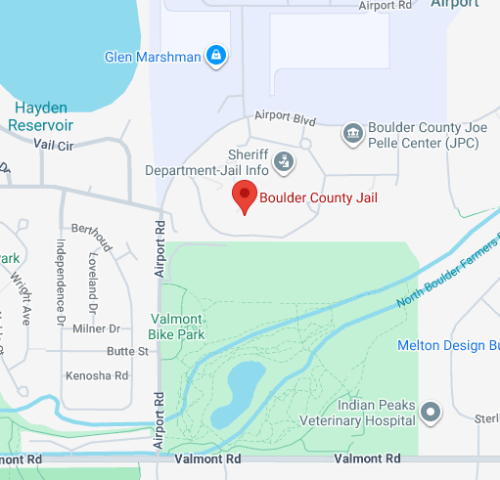
For defendants who remain in custody, the main detention facility is the Boulder County Jail at 3200 Airport Road. There is no large standalone “city jail” functioning as the long-term detention point for Boulder arrests. Once someone is lodged in county custody, families should move quickly to confirm booking status, charges, and bond amount through the county’s official Daily Booking and Listing Reports or by contacting jail booking directly.
How bond works at the Boulder County Jail
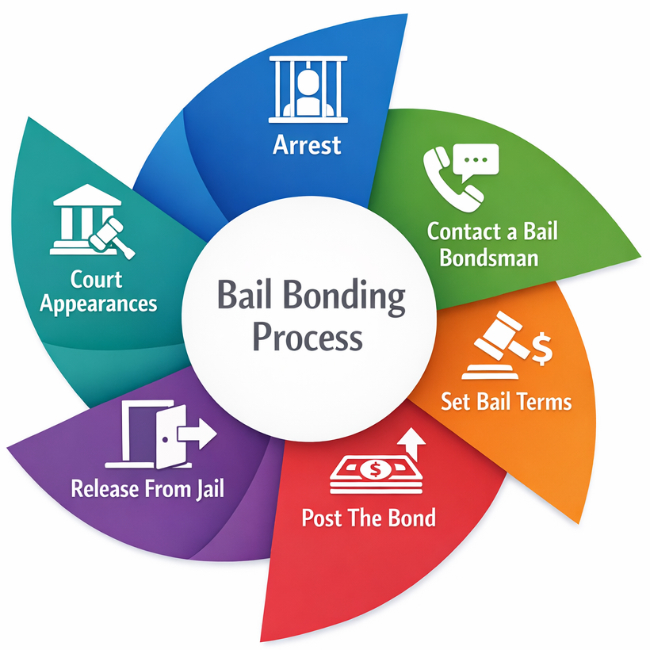
The county’s official booking and bond definitions page is the best starting point because it lays out the actual bonding options used at the Boulder County Jail. Boulder County recognizes several types of release, including personal recognizance bonds, co-signed personal recognizance bonds, cash bonds, property bonds, and surety bonds. In some cases, a defendant may not qualify for bond until first appearing before a judge. In others, release decisions can be made through the county’s Bond Commissioners Unit, which is located at the jail and conducts pretrial assessments for adult offenders.
That is one reason timing matters. If a defendant is eligible for release, the question is not just whether a bond exists. The real question is what kind of bond exists, whether a cosigner or collateral is needed, and whether the file is at a stage where a bondsman can immediately act.
Boulder County also allows bond to be posted in more than one way. According to the county’s bonding page, families can post qualifying bonds remotely through AllPaid or TouchPay, or in person at the jail lobby. The county also lists a $30 booking fee and a $10 bond fee per bond, which families should factor into the process. Those details matter because people often assume “bond amount” is the only number involved, when in reality the jail’s own fees and the structure of the release order can affect what must happen next.
Why local Boulder County bondsmen matter

Because Boulder County supports remote bond posting in certain situations, large national operations often market heavily in the area. They buy search ads, route calls into distant call centers, and attempt to process high volumes of bonds across multiple states. That model is not necessarily faster just because it is centralized. In fact, it often adds layers between the family, the indemnitor, the jail, and the actual agent responsible for the bond.
A true local Boulder bondsman offers something those operations usually cannot: direct familiarity with Boulder County booking, county bond procedures, county court timelines, and the practical pace of the jail itself. That matters when the family needs help understanding whether the person is still being booked, whether a bond commissioner is involved, whether the defendant is on a city ordinance case or a state case, or whether collateral has to be reviewed before the bond can be written.
Collateral issues are one of the biggest places where remote agencies lose time. If the bond requires security beyond the premium, the agent may need to verify ownership interests, vehicle titles, employment, or other indemnitor information quickly and accurately. A local agent who already works Boulder County can usually move that process faster and with fewer mistakes than a call center handling files from dozens of unrelated jurisdictions.
Speed is not just convenience in a Boulder County case
Families often think the biggest risk is paying too much. In many cases, the bigger problem is losing time. The county’s own jail FAQ page explains that bonding is done 24 hours a day in the jail lobby and that release timing depends on booking volume, staffing, and jail operations. Even after a bond is posted, release is not always immediate. Delays can happen because of processing volume, late-hour bookings, warrant checks, and administrative release steps.
That is exactly why a local agent matters. The faster the right person is involved, the faster the bond file can be reviewed, the indemnitor can be qualified, the collateral can be evaluated if necessary, and the release can move through the correct Boulder County channel.
Frequently Asked Questions About Bailing Someone Out of Jail
At minimum, try to have the defendant’s full legal name, date of birth, the jail or agency holding them, and—if available—the booking number and bond amount. Even if you don’t have everything, a local bondsman can usually help you locate the person and confirm the details through the jail.
A bail bond is a financial guarantee to the court that the defendant will appear for all required hearings. Instead of paying the full bond in cash to the jail, you pay a bondsman a non‑refundable premium (a percentage of the bond). The bondsman then posts a surety bond with the court or jail and becomes responsible for the full amount if the defendant fails to appear.
A cosigner is typically a friend or family member over 18 who is willing and financially able to take responsibility for the bond. The cosigner signs paperwork agreeing to help ensure the defendant goes to court and to cover certain costs or losses if the defendant fails to appear.
If you post a full cash bond directly with the court or jail, that money is generally returned at the end of the case, minus any court‑ordered fees or fines, as long as the defendant appears as required. If you use a bail bondsman, the premium you pay is a fee for the service and is not refunded. Any collateral you provided is typically released once the bond is exonerated.
Release time varies by jail and by current workload. Even with a bond already posted, many facilities quote an estimate of several hours for release, and it can be longer during busy periods, shift changes, or when additional checks are required. A local bondsman who works that facility regularly can give you a more realistic time frame based on current conditions.
Missing court is serious. The judge may issue a warrant and the court can forfeit the bond. The bondsman will usually try to get the defendant back on calendar quickly or may take steps to locate and surrender the defendant. Cosigners can be held responsible for costs associated with a failure to appear, so it is critical to stay in contact with both the court and the bondsman.
A direct local option is the practical option
For families dealing with an arrest in Boulder or the surrounding county, the smartest move is usually the most direct one: confirm where the defendant is, confirm the bond type, and work with a bondsman who actually handles Boulder County cases in real time. Tayler Made Bail Bonding maintains local dispatch from Boulder and already provides a broader county overview on its Boulder County service area page.
For bail matters in Boulder County the best outcome usually comes from working with someone who is nearby, licensed, insured, familiar with the jail, familiar with the courts, and able to handle the bond directly instead of passing it through a remote intake chain. That is usually faster, often less expensive overall, and much safer for families trying to get a loved one out of custody without unnecessary delay.
Contact Info
Tayler Made Bail Bonding is available 24 hours a day and 7 days a week.
(303) 623-0399email@taylermadebailbonding.com
7220 W Jefferson Ave
Suite 200
Lakewood, CO 80235
@TaylerMadeBail